Activities
Climate Memories: June–August 2026
The summer of 2026 marked an important period of development for Climate Memories. Across Mexico City, Xalapa and New York, the project moved between symposiums, workshops, radio broadcasts, field recording, ecological research and conversations with artists, researchers, communities and young people.
These encounters allowed us to begin testing some of the questions at the heart of the project. How do we create conditions in which climate memories can emerge? What can sensory experience, listening and embodied knowledge contribute to the ways we understand environmental change? And how might memories of the past help us imagine and actively shape different climate futures?
Climate Memories Symposium at UNAM, Mexico City
In July 2026, the first symposium dedicated to Climate Memories was held at the National Autonomous University of Mexico (UNAM) in Mexico City. Organised by researchers at UNAM, the symposium brought together an extraordinarily interdisciplinary group of speakers working across literature, biology, engineering, sociology, philosophy, music and the arts.
Linda O’Keeffe was invited to give the keynote presentation, introducing the development of Climate Memories and some of the questions that have shaped the project.
What became particularly striking over the course of the symposium was the breadth of approaches through which the idea of climate memory could be understood. Rather than belonging to any single field, memory became a point of connection between very different forms of knowledge: scientific observation, cultural history, lived experience, artistic practice and speculation about the future. The conversations that continued between presentations were equally valuable, opening possibilities for new collaborations and raising questions about how climate memories might be gathered, interpreted, shared and activated across different communities and disciplines.
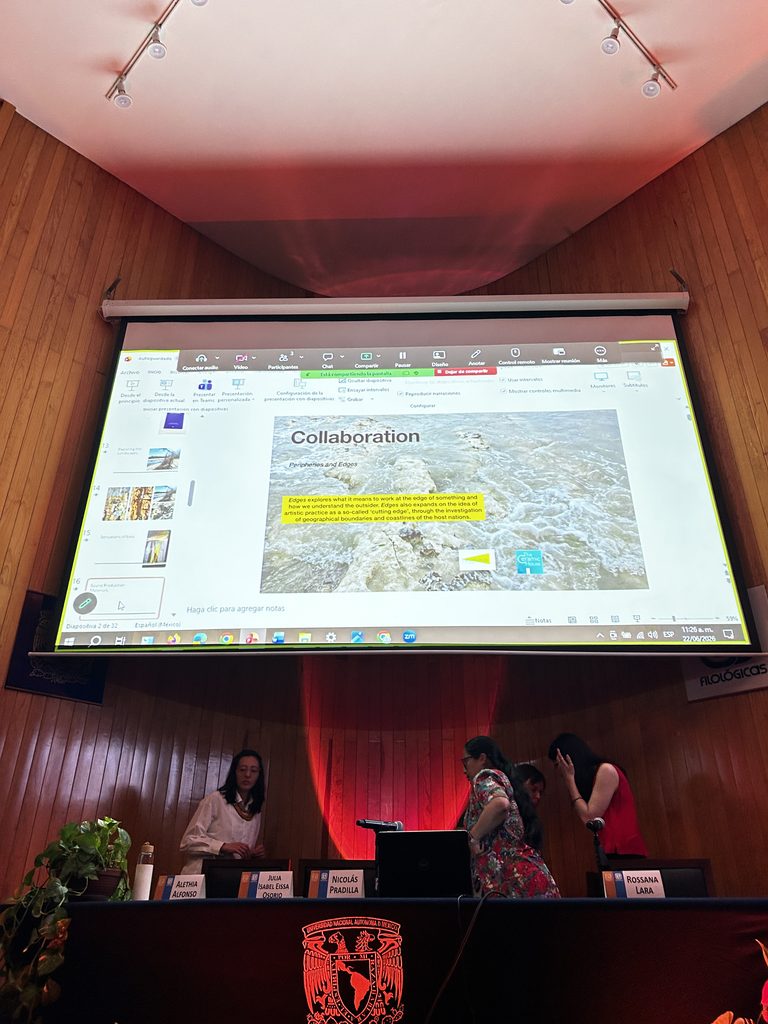
Climate Memories Symposium 2026
Two-Day Climate Memories Workshop at UNAM
Alongside the symposium, Linda O’Keeffe and Lena Ortega developed and facilitated the first two-day Climate Memories workshop. This was intentionally experimental: an opportunity to test how sensory and embodied practices might create conditions for climate memories to emerge, while inviting participants to help us shape the methodology itself. The first day explored memory through the senses. Through listening, smell, material encounters, meditation and narrative exercises, participants considered how memories might surface through bodily experience rather than direct questioning alone. The second day turned towards the idea of future memory. Participants imagined possible environmental futures shaped by climate adaptation and considered what everyday life, neighbourhoods and cities might feel like from those future positions. What might we look back upon in 2030 or 2050? What transformations might have taken place, and what would we remember about living through them?
Because this was our first workshop, feedback was integral to the process. One of the most important discoveries was that memory cannot necessarily be summoned on demand. Some participants initially felt that they were trying to construct a memory rather than remembering organically. Sensory immersion, slowing down and guided attention created different possibilities for recollection and association. Participants also encouraged us to take more of the sensory work outside: walking, listening, touching and encountering the materials of the landscape itself. These conversations have subsequently influenced how we have developed later Climate Memories workshops. The speculative future exercise proved particularly resonant. Situating imagined futures at specific moments such as 2030 and 2050 allowed participants to locate climate futures within their own bodies, relationships and everyday lives.
“How will they reactivate it? … Think about what happens after this, beyond just storing it.”
One participant’s question about what ultimately happens to a collected archive also articulated something increasingly important to the project. Climate Memories is not interested in gathering memories simply so that they can be stored. We are interested in what happens when those memories circulate again: through radio, sound, conversation, workshops, artistic practice and new encounters. The workshop therefore became more than a test of a series of activities. It helped us begin developing Climate Memories as a participatory methodology that moves between sensing, remembering, imagining and sharing—and which continues to change through the people and communities who participate in it.
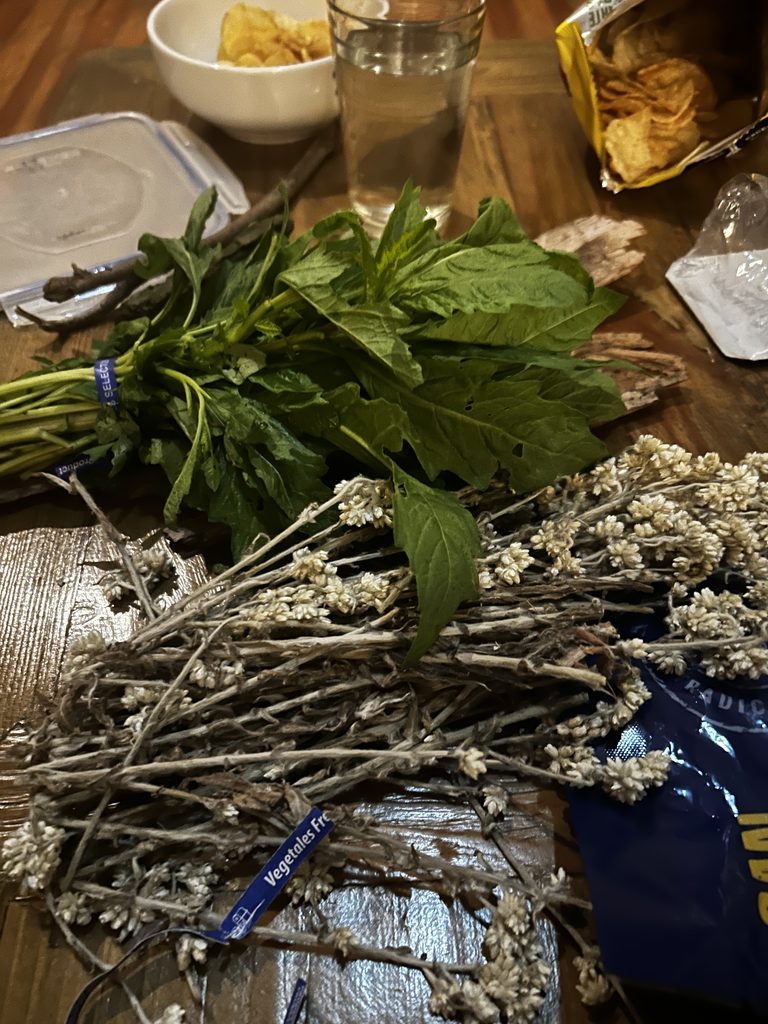
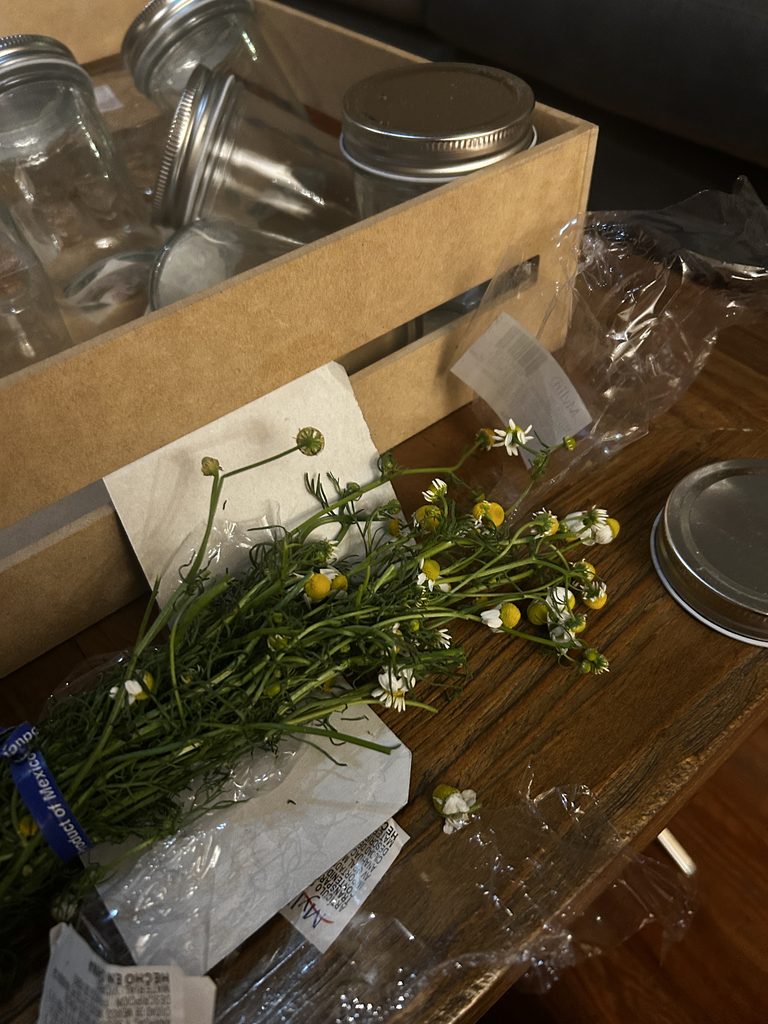
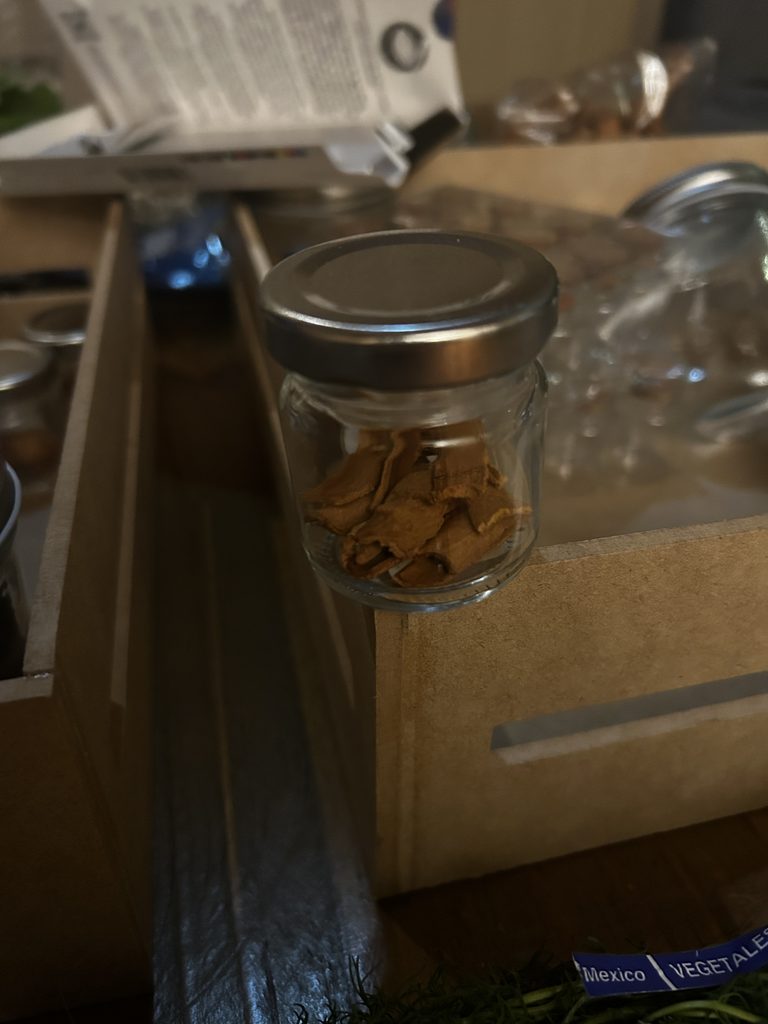
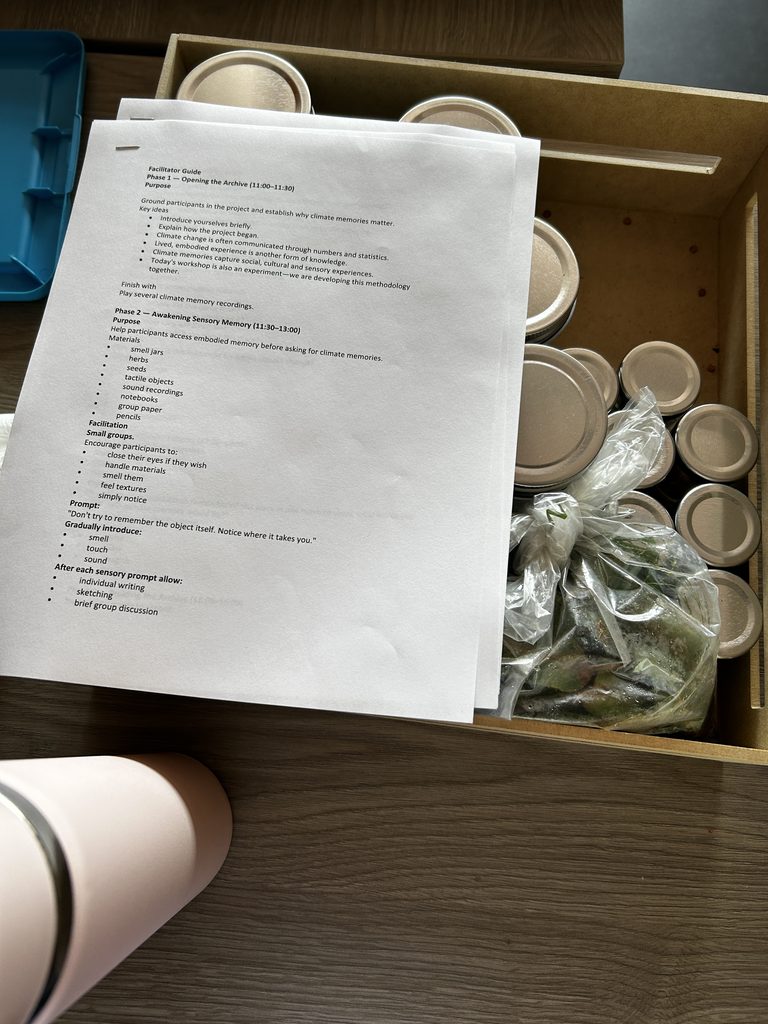
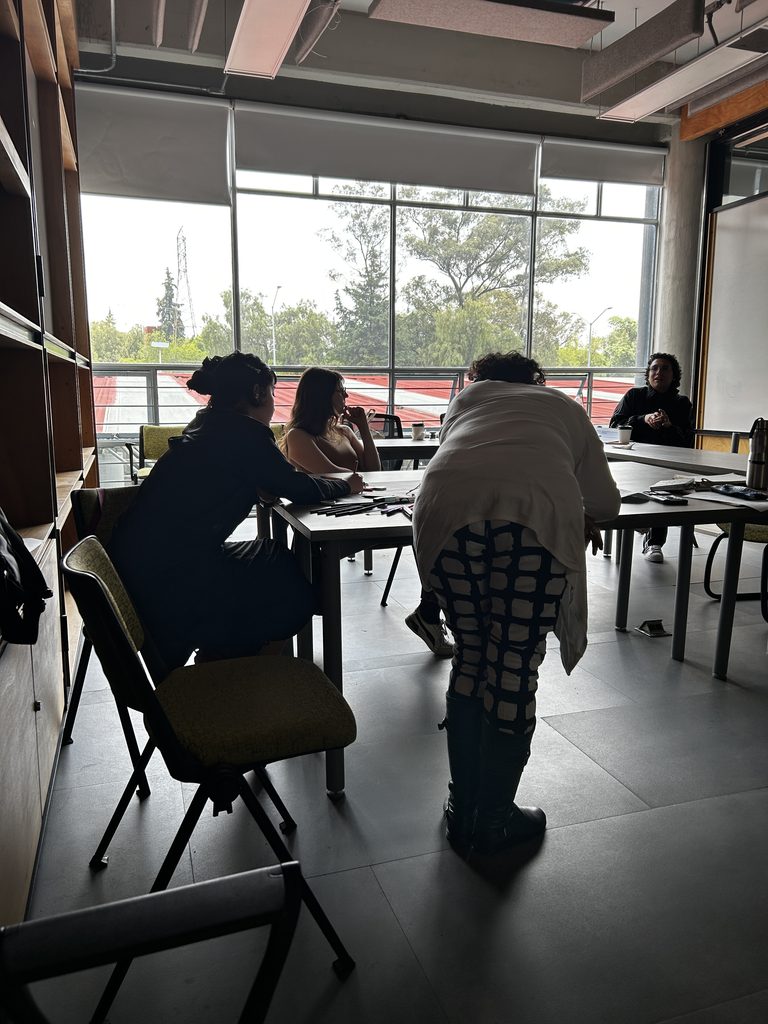
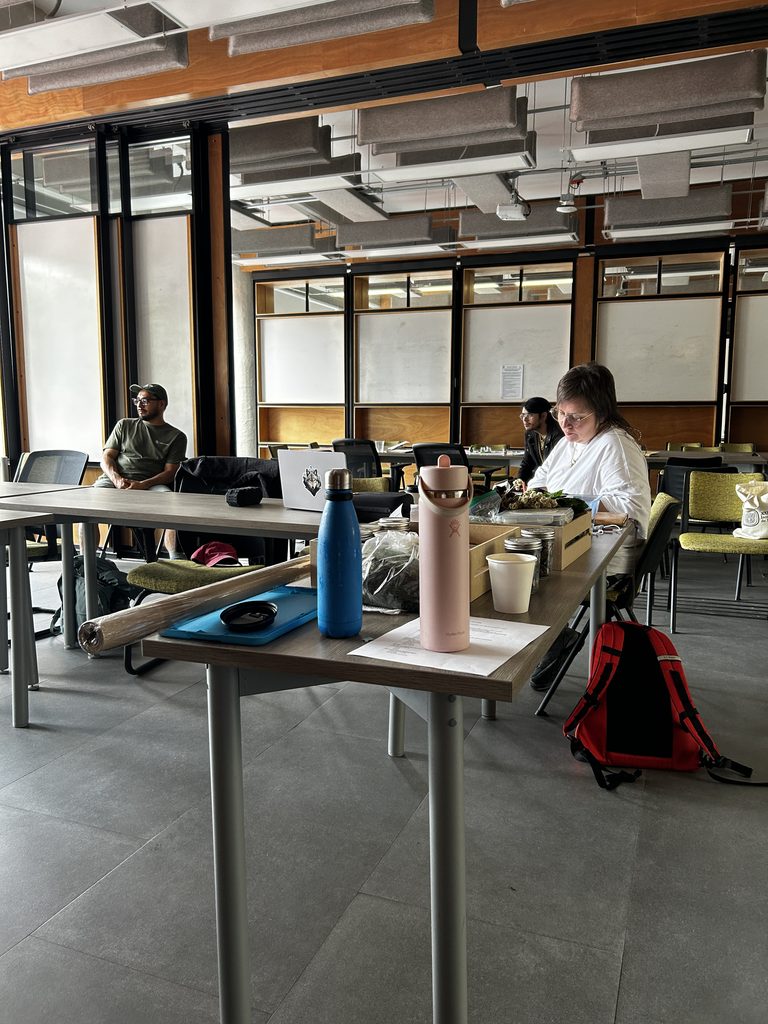
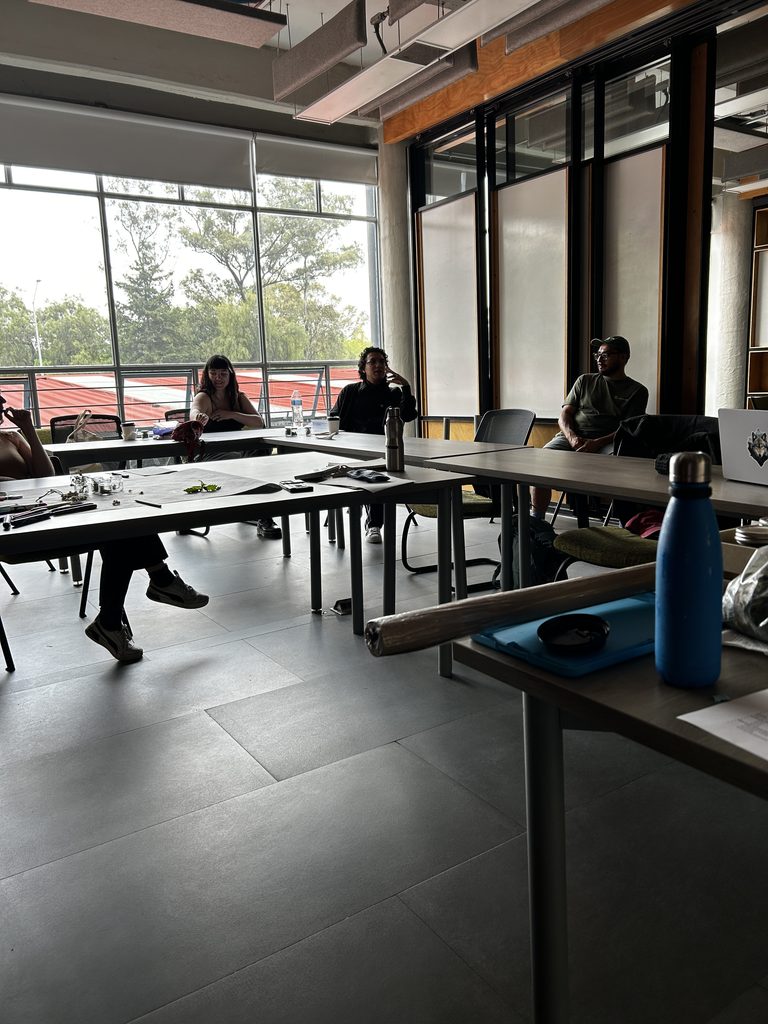
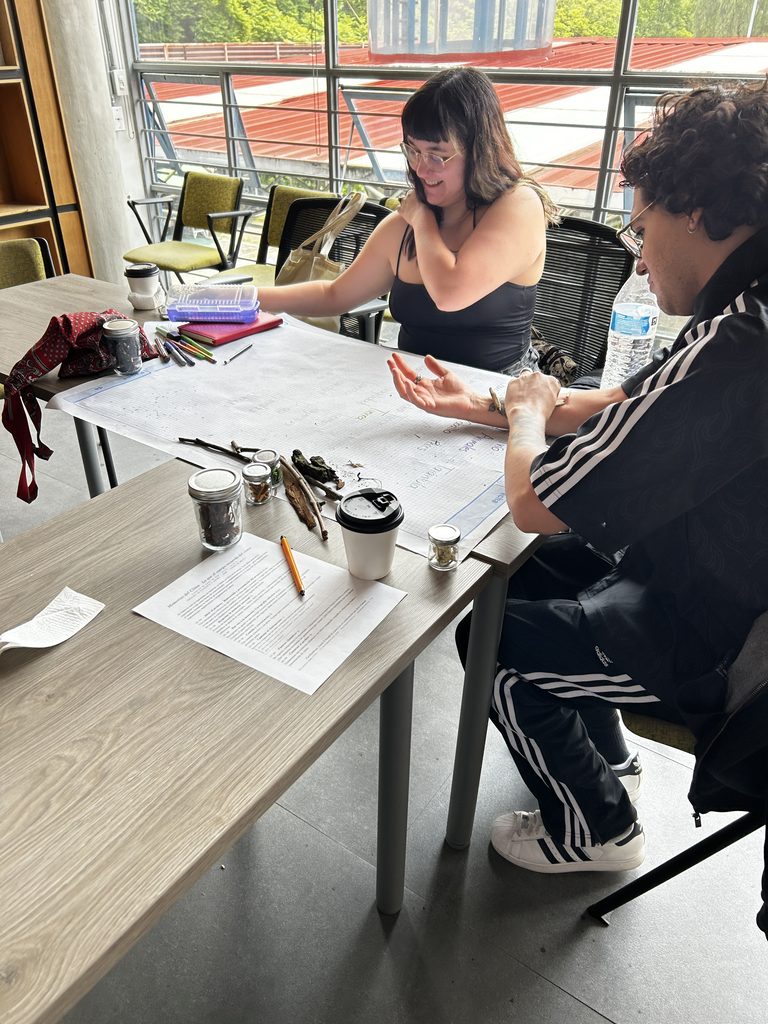
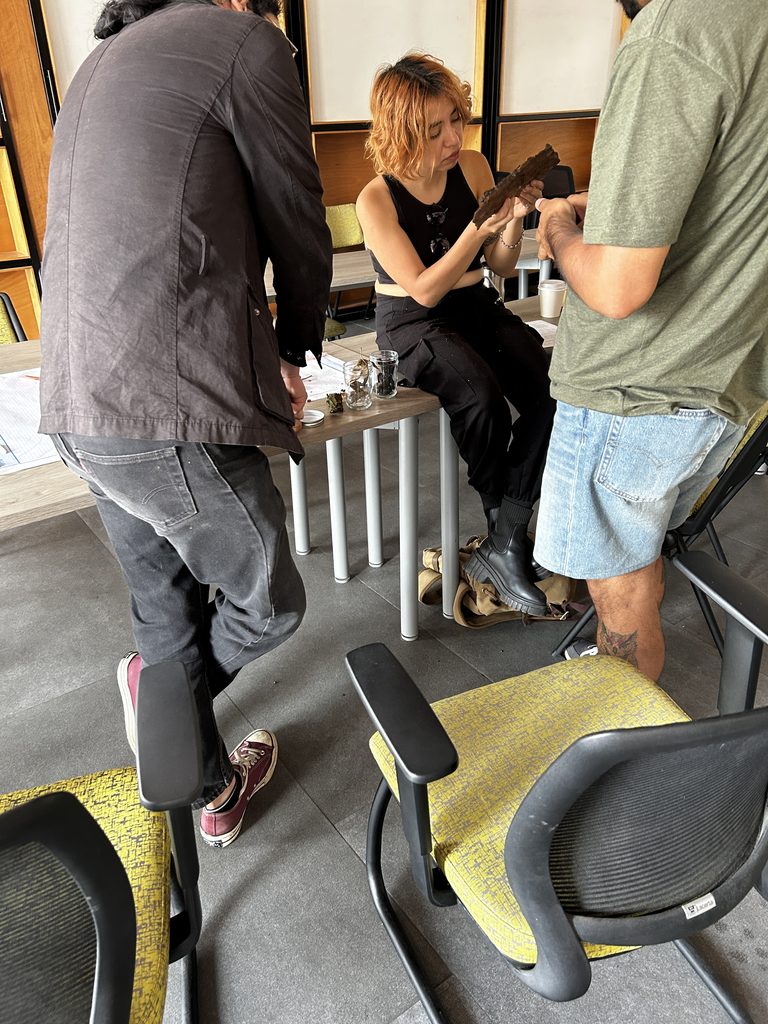
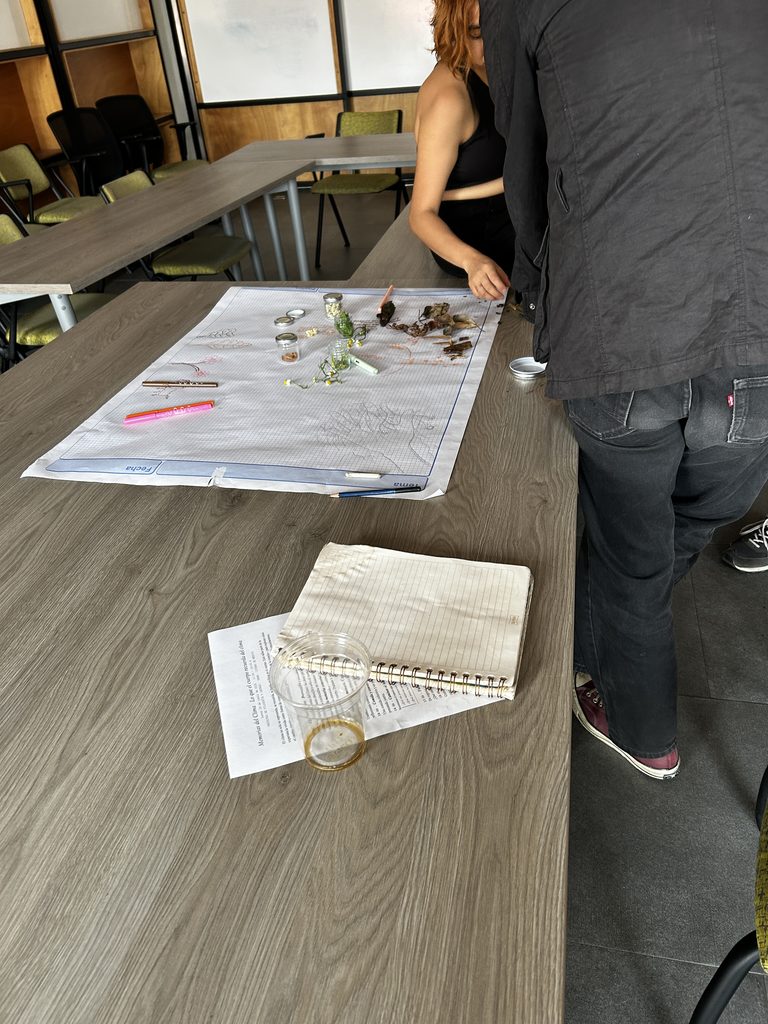
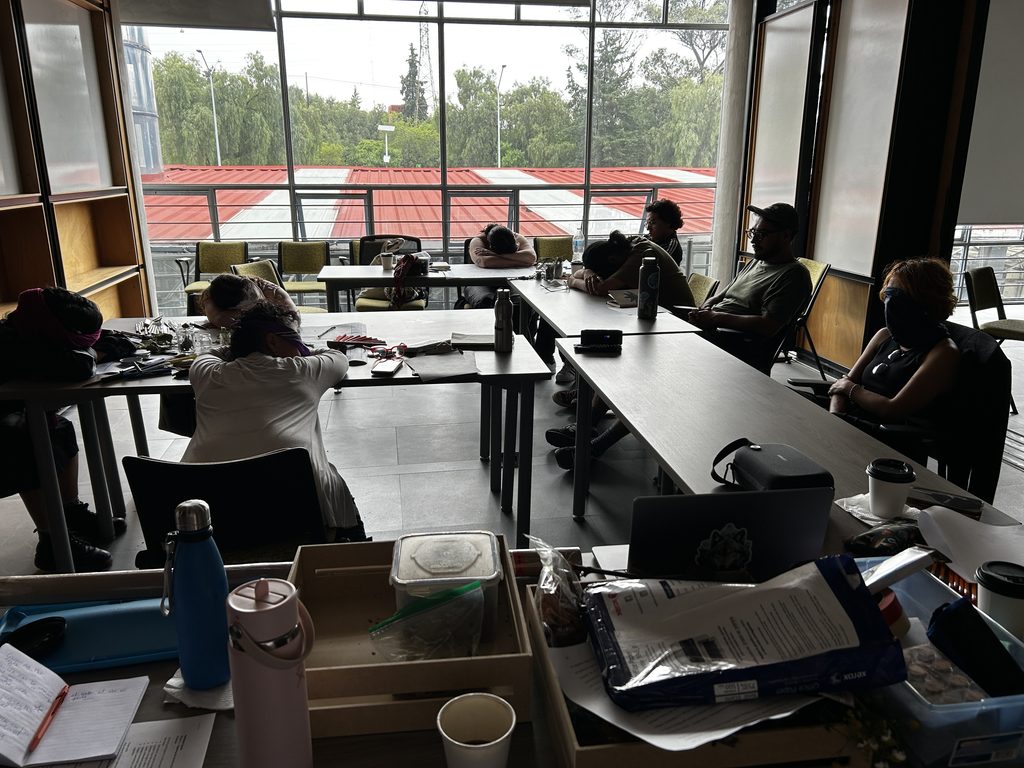
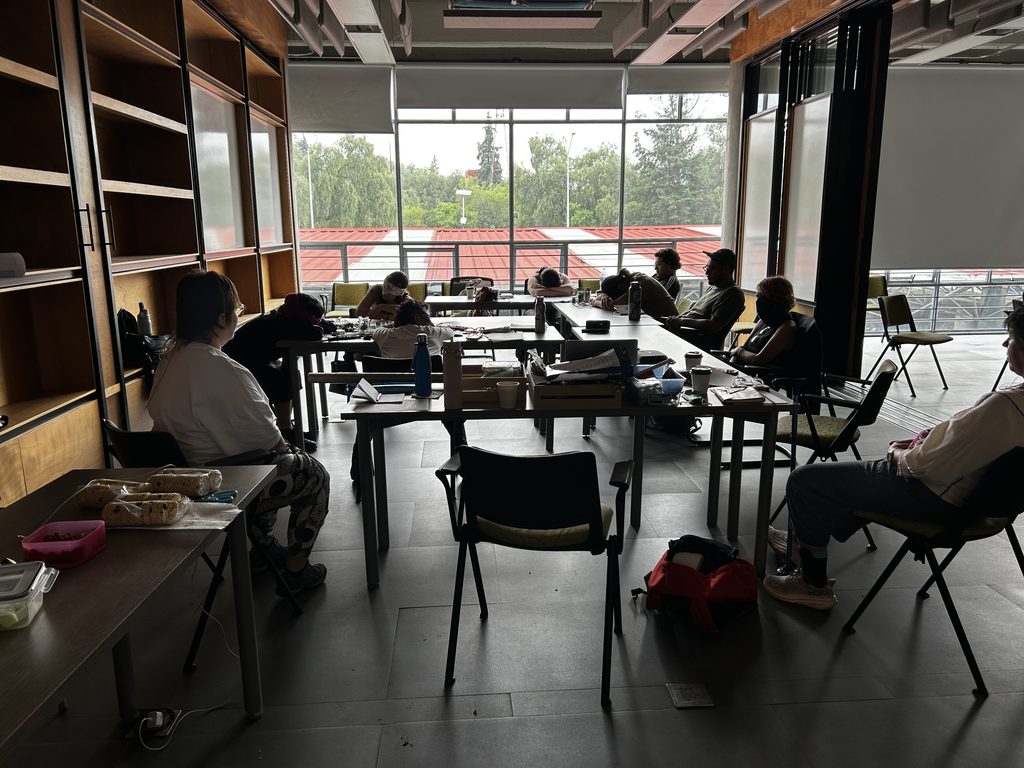
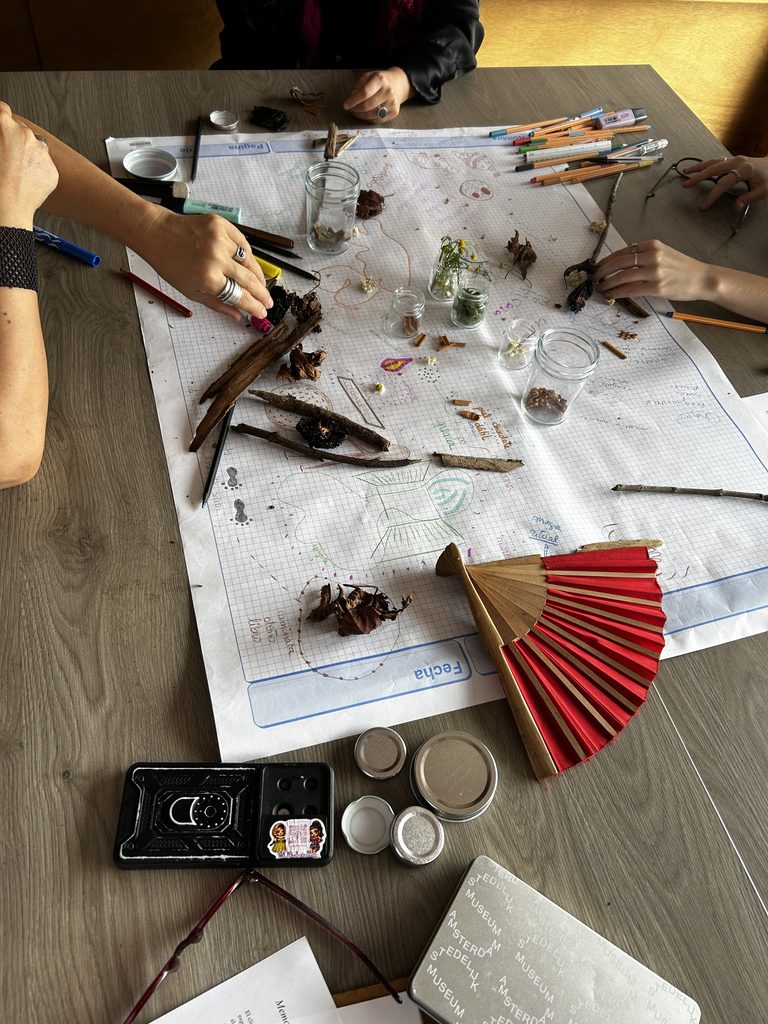
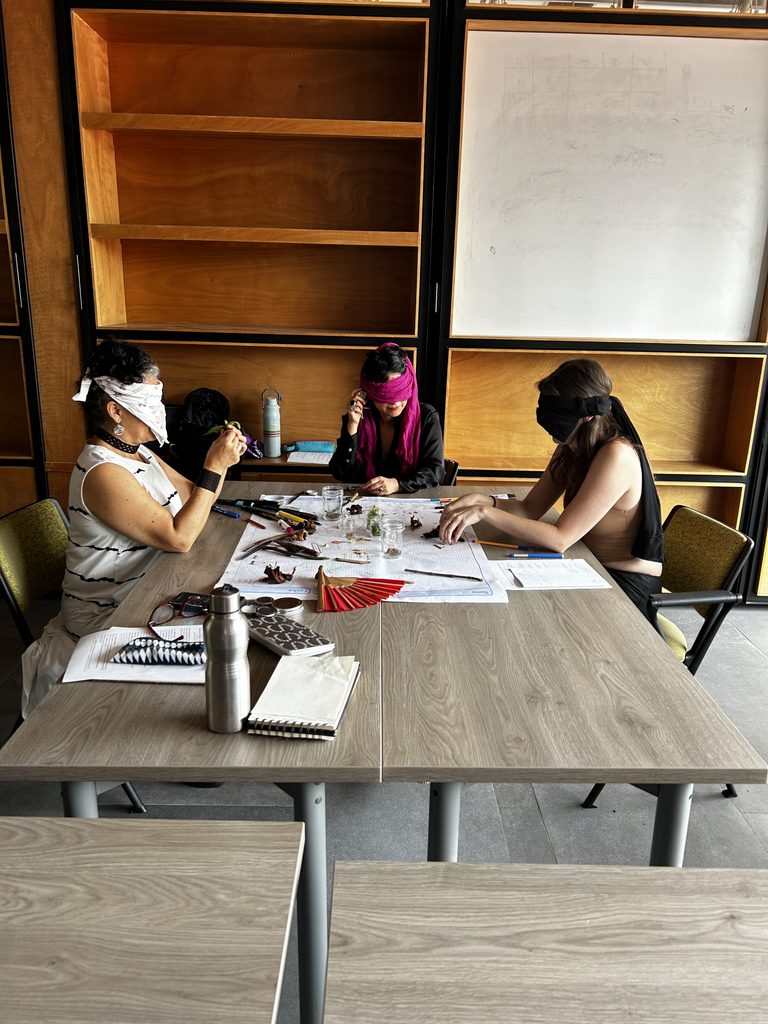
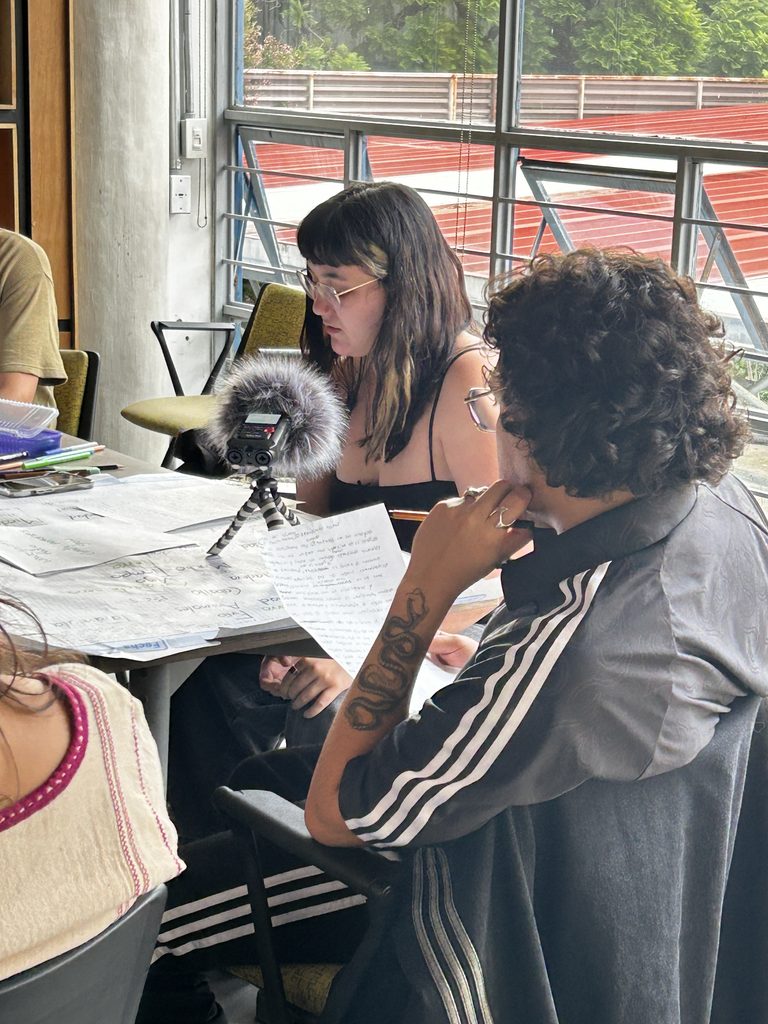
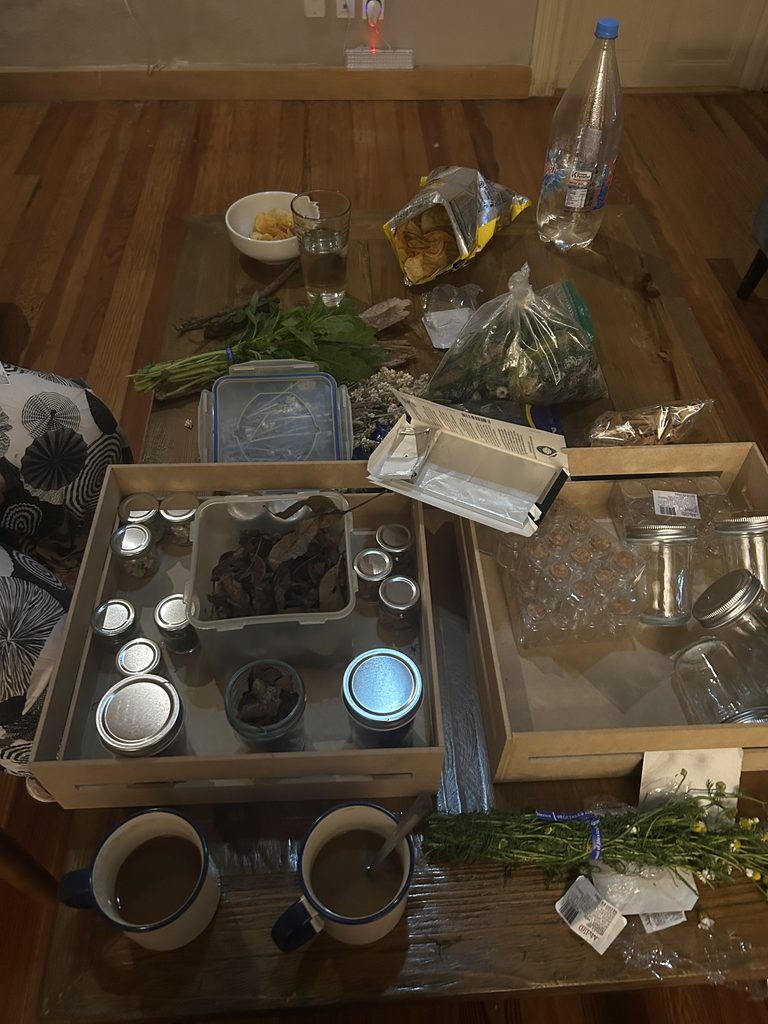
Climate memories workshop participants at UNAM Mexico
Climate Memories on Radio Nopal
While in Mexico City, Linda and Lena also presented their first Climate Memories radio programme together on Radio Nopal, where Lena regularly broadcasts. The programme became an open conversation between the two collaborators about how Climate Memories began, why they felt the project was necessary, and where it might go next. They shared multilingual climate memories collected over the previous year and reflected on what people had begun telling us—not only about environmental change, but about what it means to remember and to share those memories with others. The broadcast also created an opportunity for Linda and Lena to speak publicly with one another about the project for the first time. Rather than presenting a fixed definition of Climate Memories, the programme captured a project still developing through conversation, listening and encounter. Segments from the Radio Nopal programme subsequently became part of the first official Climate Memories broadcast on Wave Farm’s WGXC 90.7-FM, broadcast on 28 August 2026. The programme brought the Mexico City conversation together with climate memories and field recordings gathered during our travels in Mexico.
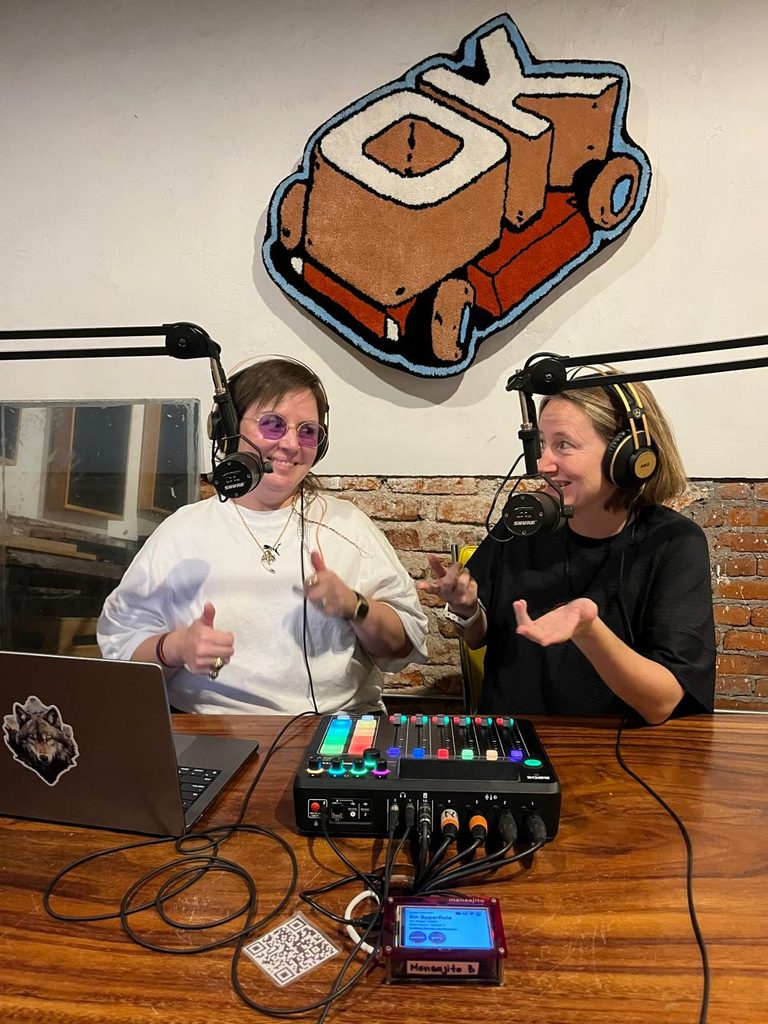
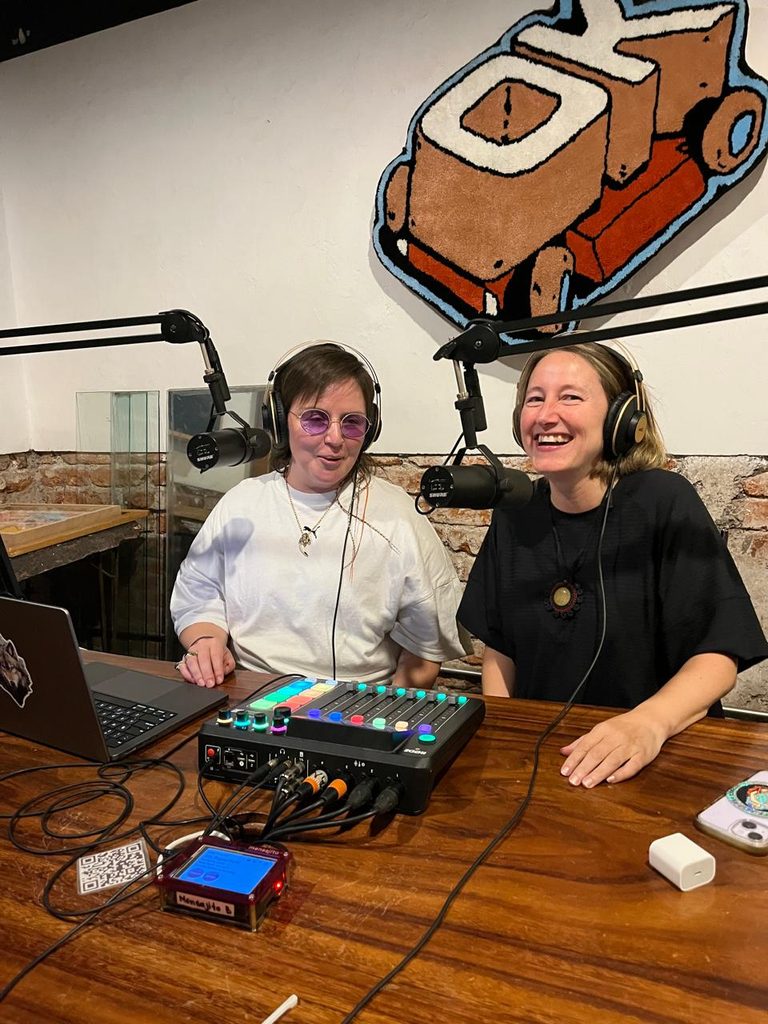
Linda and Lena on air at Radio Nopal
Listening in the Xalapa Cloud Forest
At the end of July and beginning of August, four of us travelled to Xalapa and the surrounding cloud-forest region of Veracruz. Over five days, we approached the region through listening: recording its soundscapes while also meeting people whose lives and work have been shaped by sustained attention to environmental change.
We spent time with a family in the mountains whose approach to everyday life is centred around sustainability and care for the land. Sharing breakfast with them and visiting their land offered a very different form of environmental knowledge—one grounded in daily practices of growing, maintaining and living within a particular ecosystem. We also met an artist collective whose work has engaged with art and environmental research for more than a decade. Their projects have taken them into landscapes affected by significant ecological hazards and environmental damage around the world. Our conversation addressed not only the work they produce, but the emotional consequences of repeatedly witnessing damaged environments. Imagining hopeful futures for human and other-than-human life can become difficult when one’s practice also requires sustained encounters with environmental loss. Another day took us into the cloud-forest mountains with the ornithologist and ecological researcher, Fernando González-García from the Biblioteca de Sonidas, who has spent decades studying and documenting the birds of the region. Carrying our own recording equipment, we walked and listened with him to the birds and other wildlife around us. We later visited his research centre in Xalapa, meeting members of his research team and learning about their long-term documentation of regional bird populations and the development of an online archive that includes bird calls and other ecological information. He described changes already becoming apparent in the ecosystem, including declines in some native species and the arrival of species moving into the region as conditions change within their previous habitats. Before we left, he also shared his own climate memory with us. Xalapa became much more than a field-recording trip. It was an exercise in listening across different forms of environmental knowledge: scientific research, artistic practice, sustainable land stewardship, personal memory and the sounds of the landscape itself. Field recordings from Xalapa featured in our first Wave Farm Climate Memories broadcast, and many more of the recordings and stories gathered during this journey will become part of future programmes.
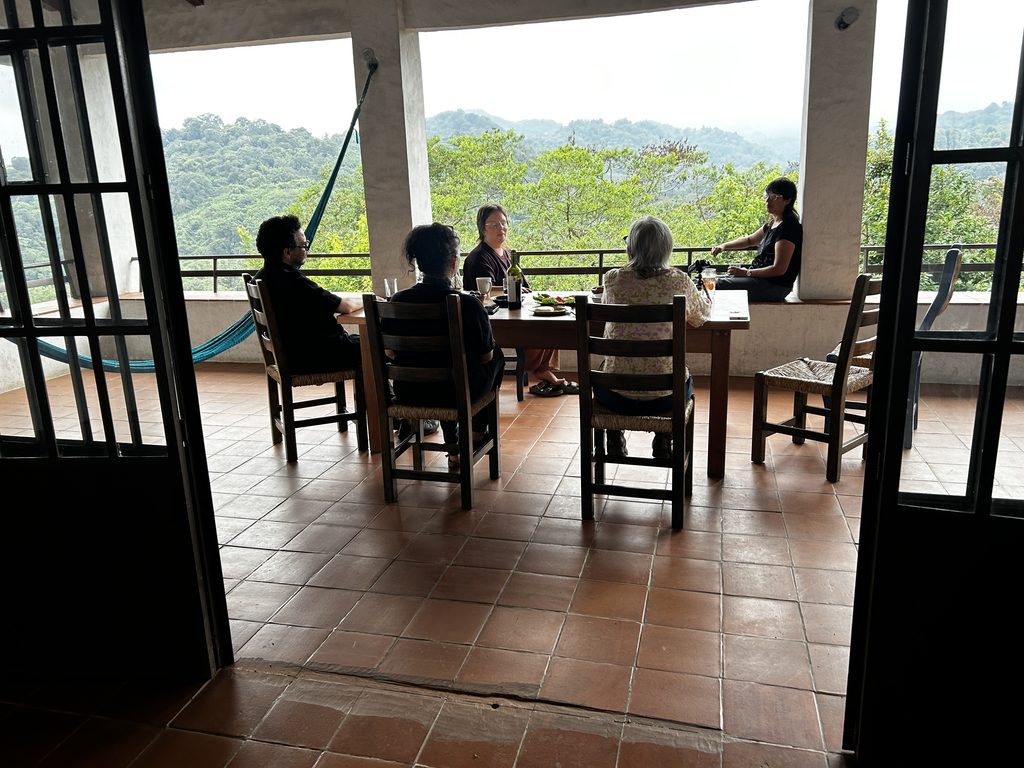
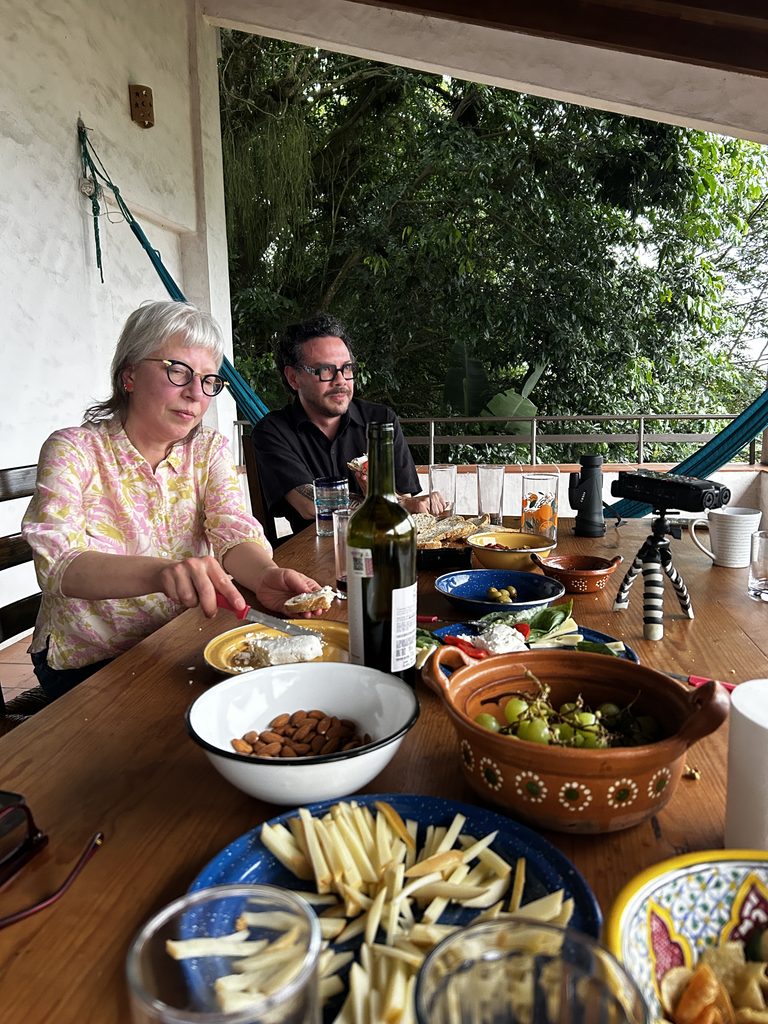
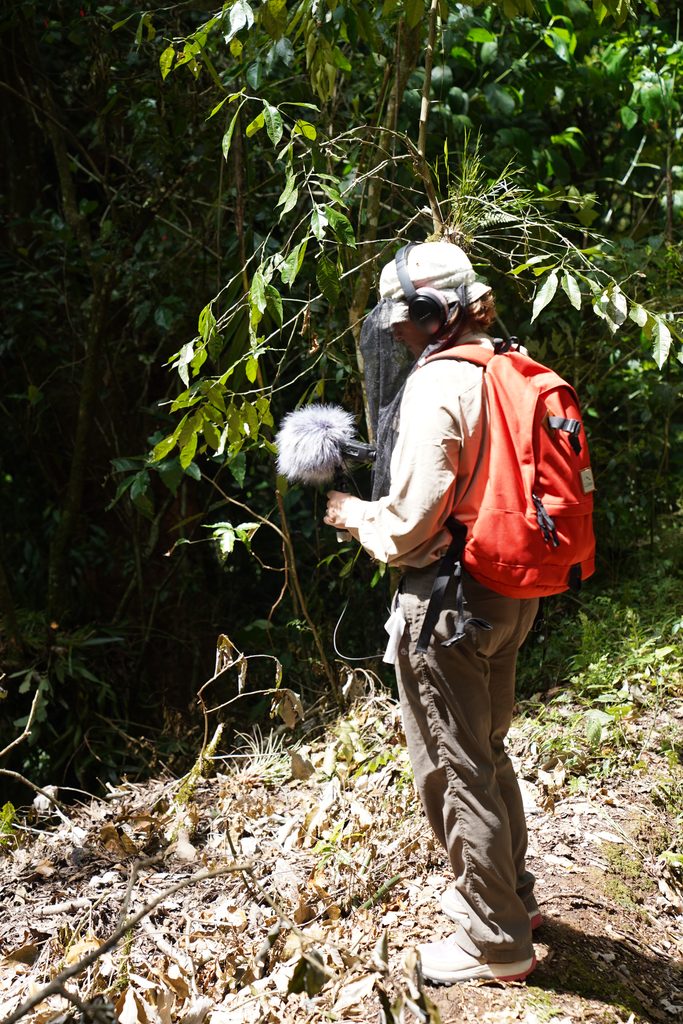
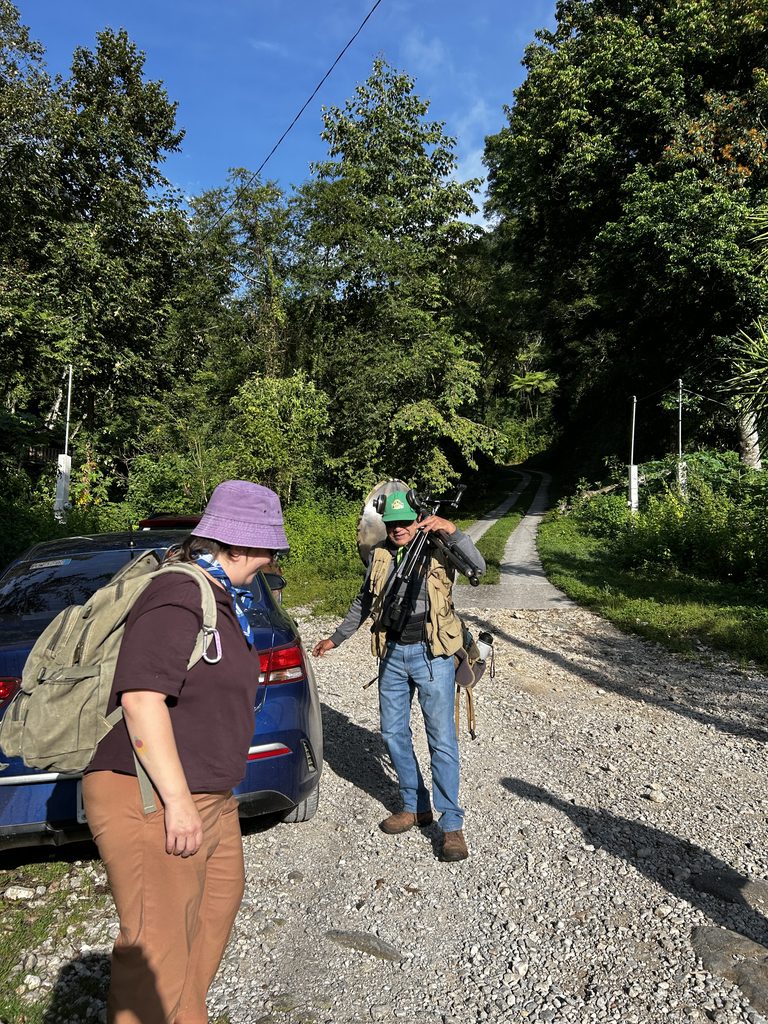
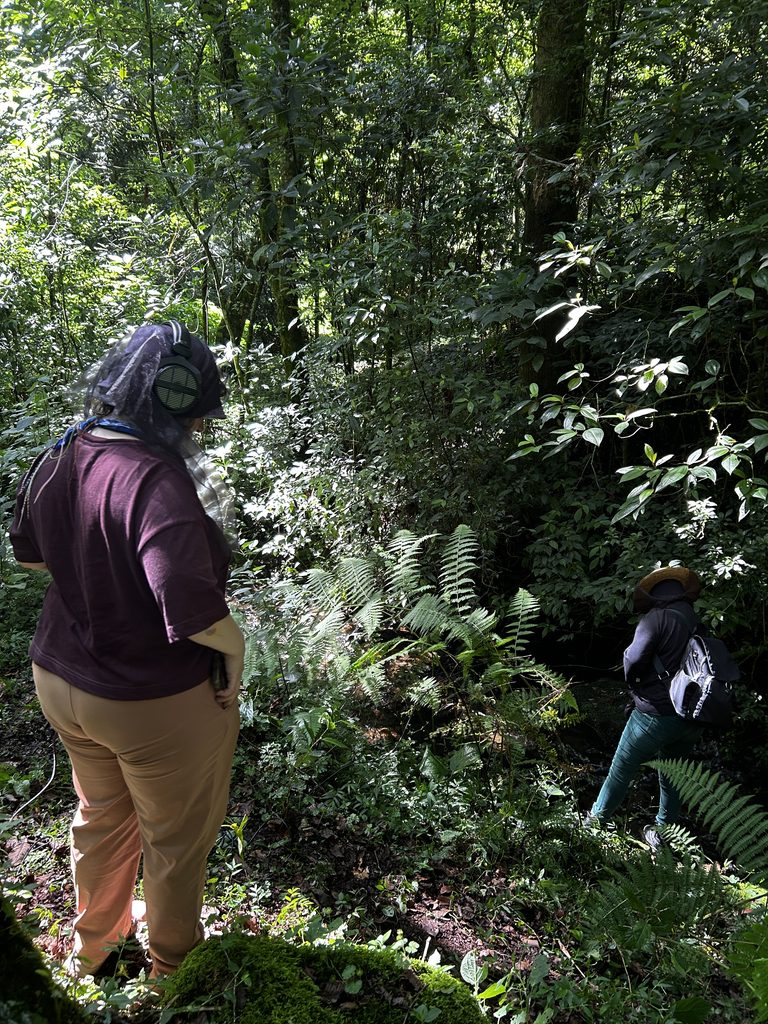
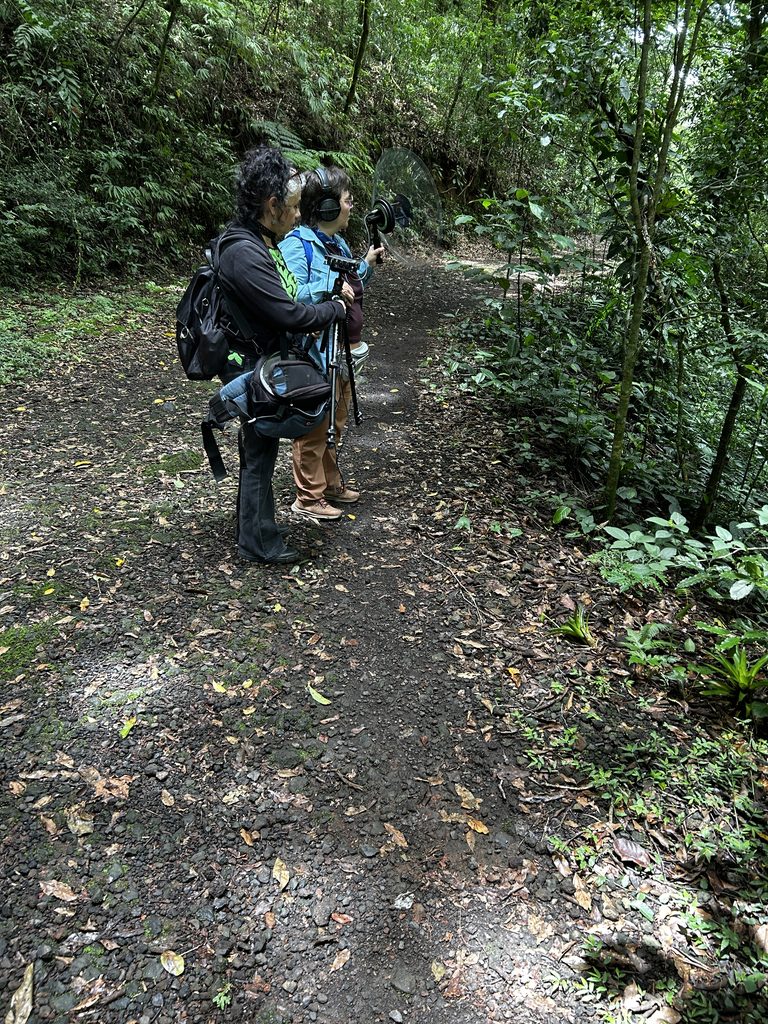
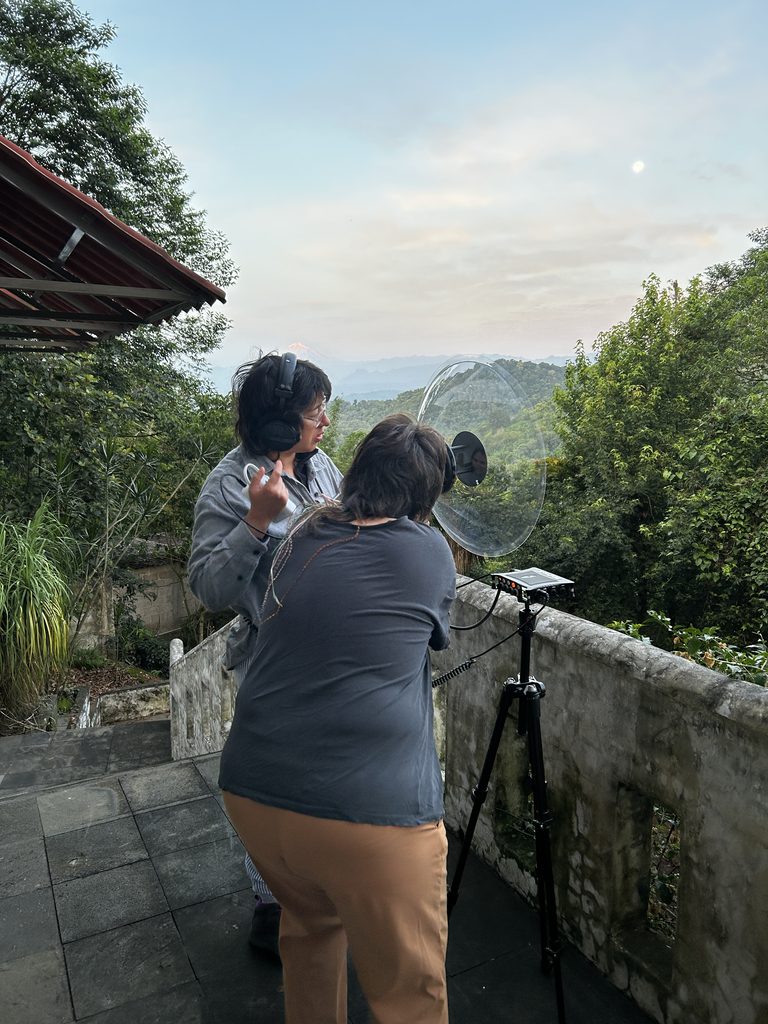
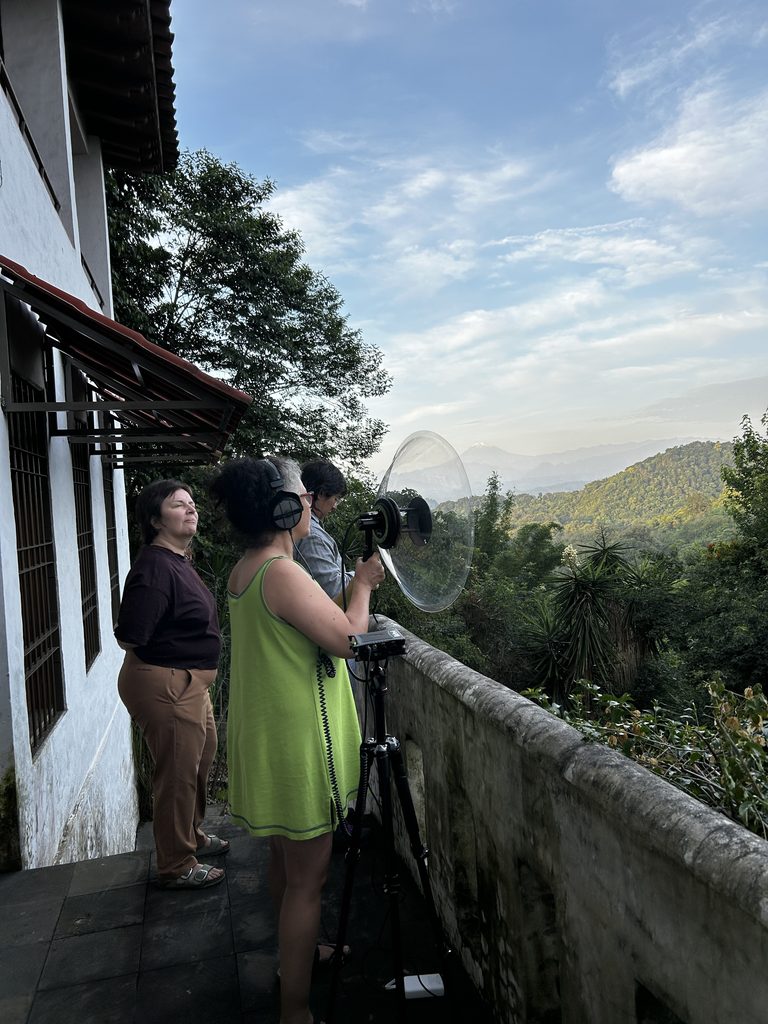
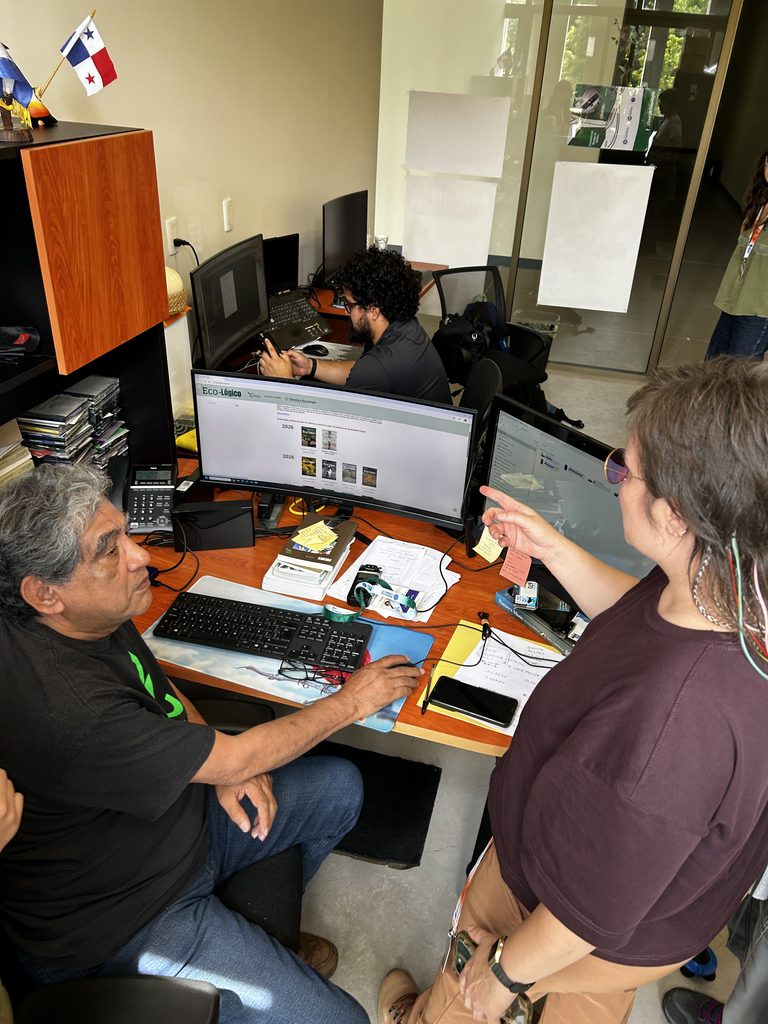
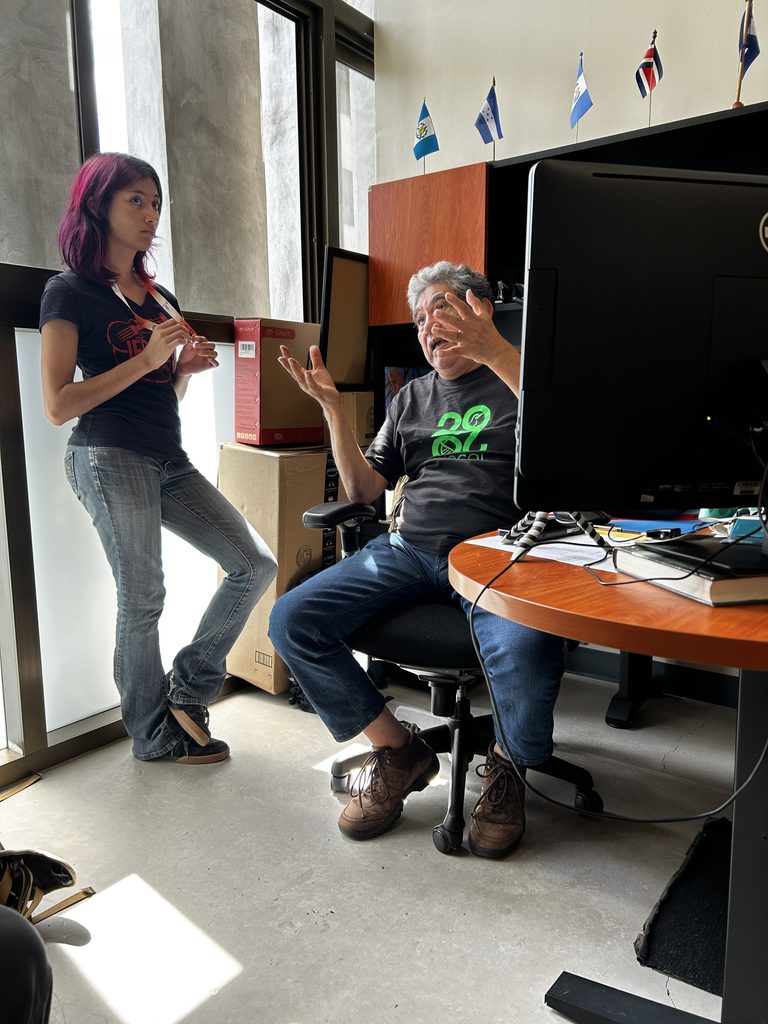
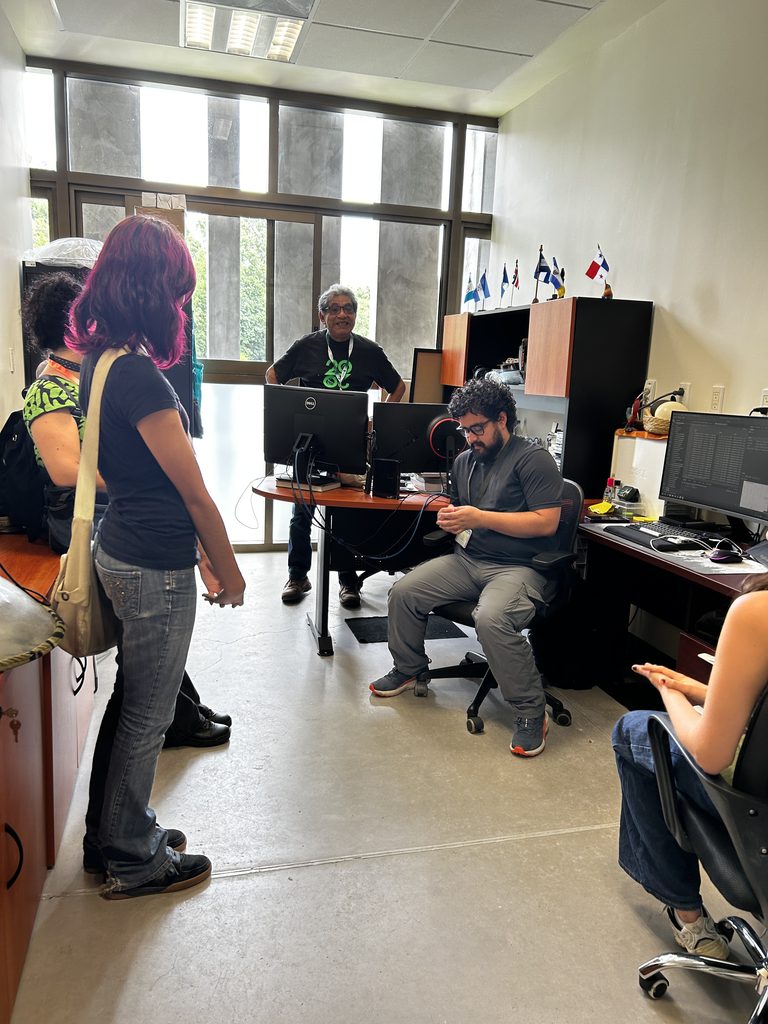
Xelapa Memories
Bringing the Workshop to New York
Shortly after returning from Mexico, Linda facilitated a two-day Climate Memories workshop with teenagers interning at the Long Island civil-rights organisation ERASE Racism. Hosted at the Environmental Humanities Lab at Stony Brook University, the workshop offered an opportunity to adapt some of what we had learned at UNAM for a very different group of participants. This was the project’s first Climate Memories workshop specifically developed for teenagers. Rather than assuming a shared understanding of climate change, we began by talking about what the term meant to them. The conversation revealed very different levels of knowledge and, importantly, some participants spoke about having previously been told in school that climate change was not real. Establishing a space in which questions could be asked openly therefore became an important part of the workshop itself.
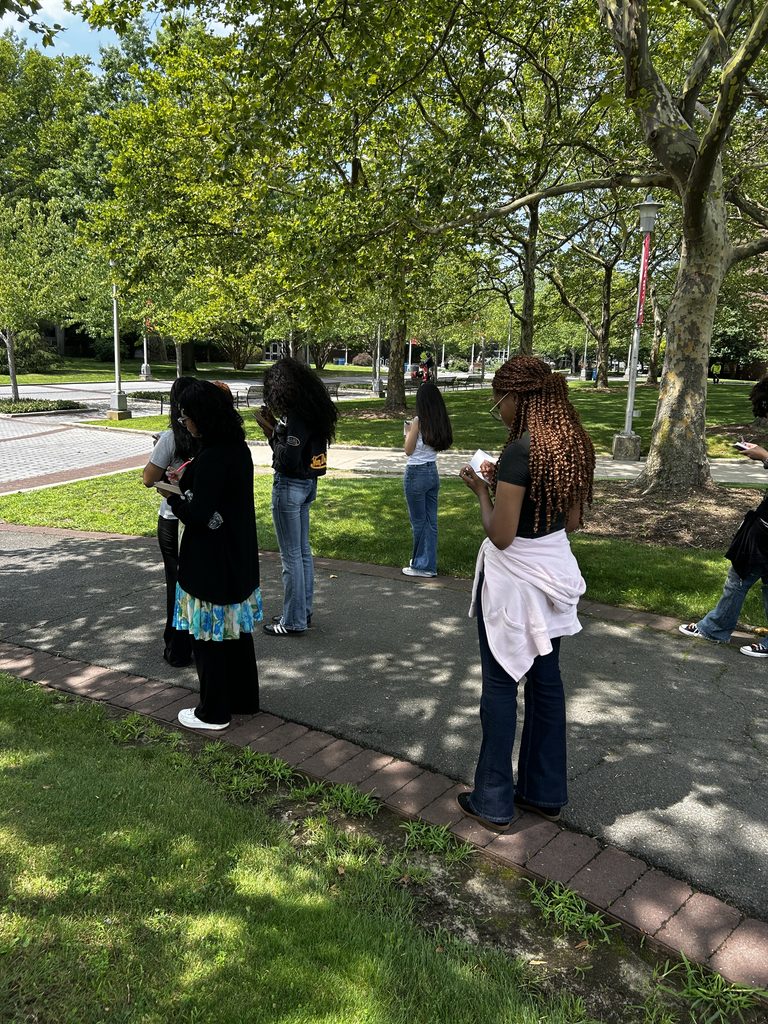
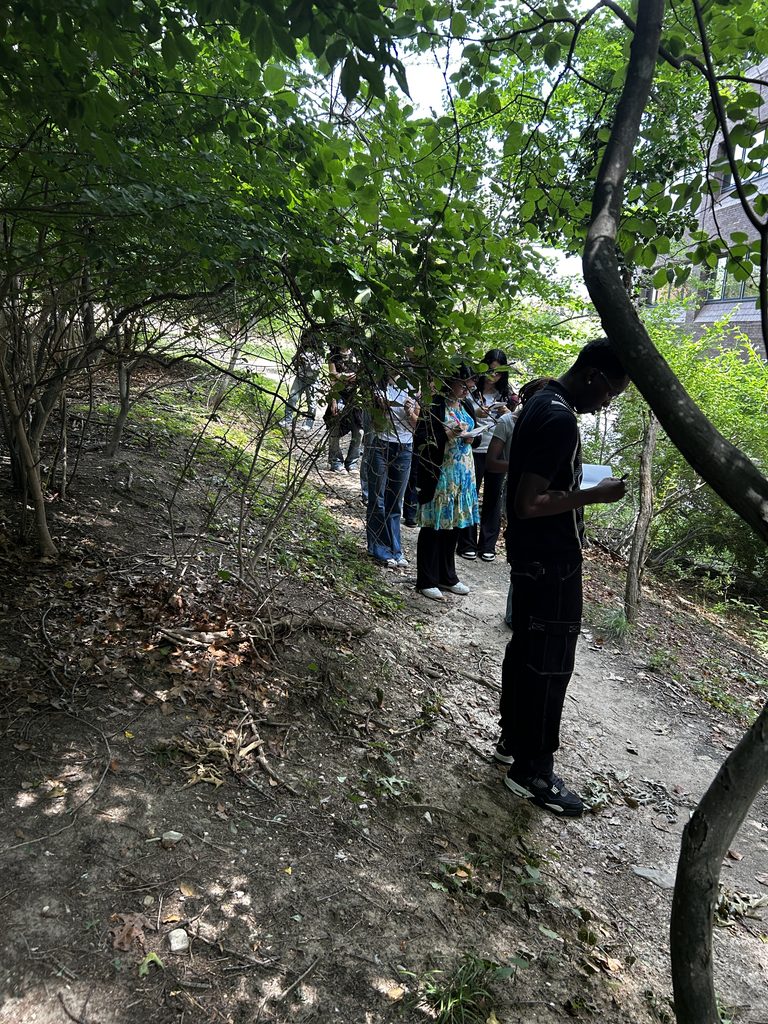
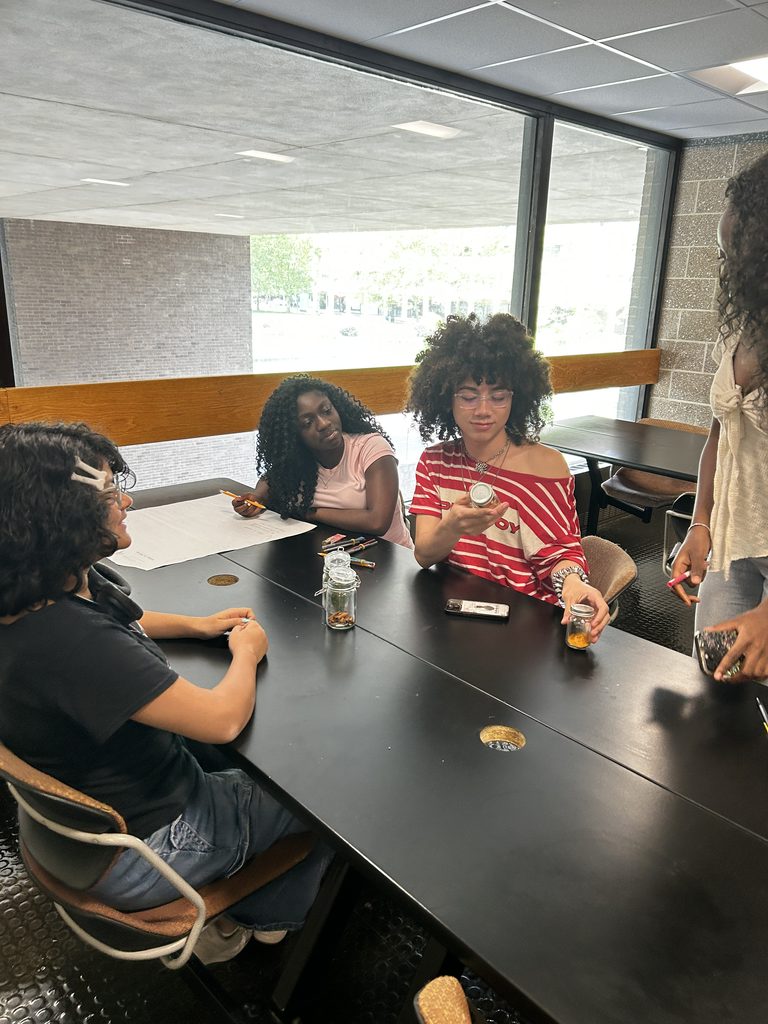
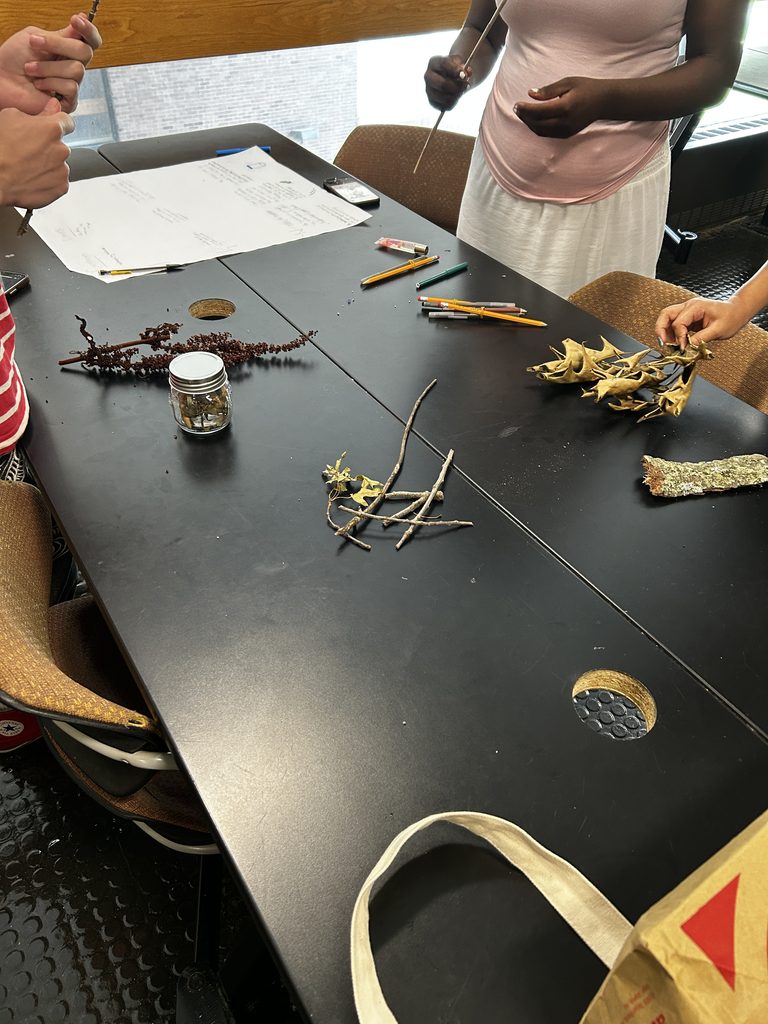
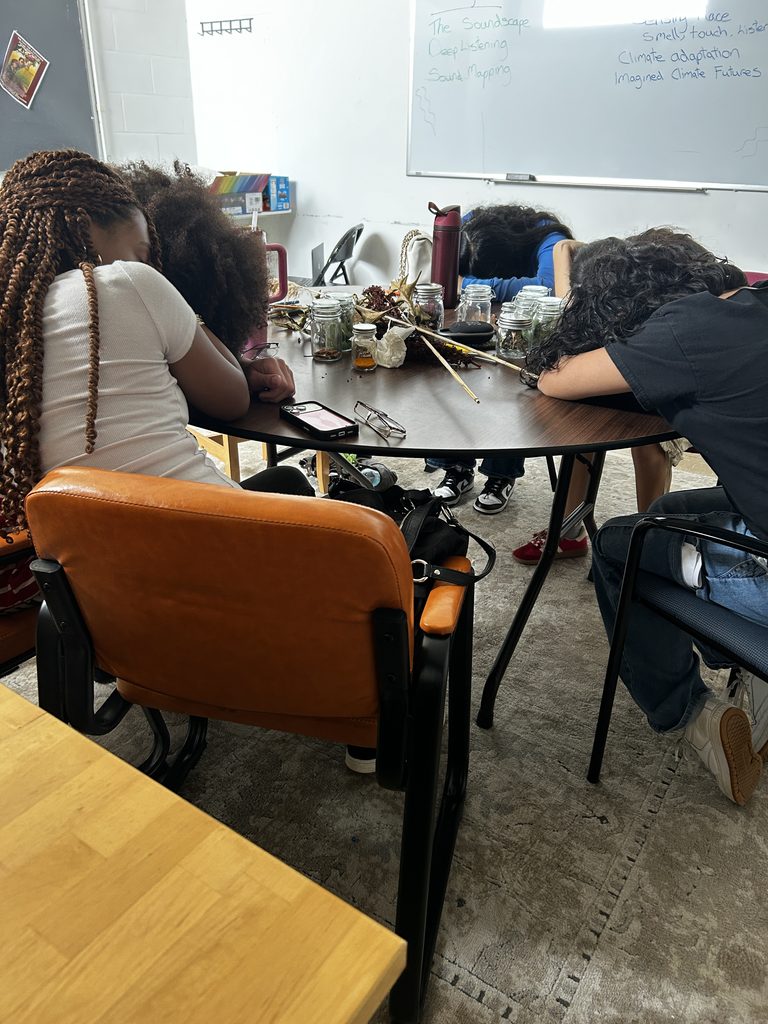
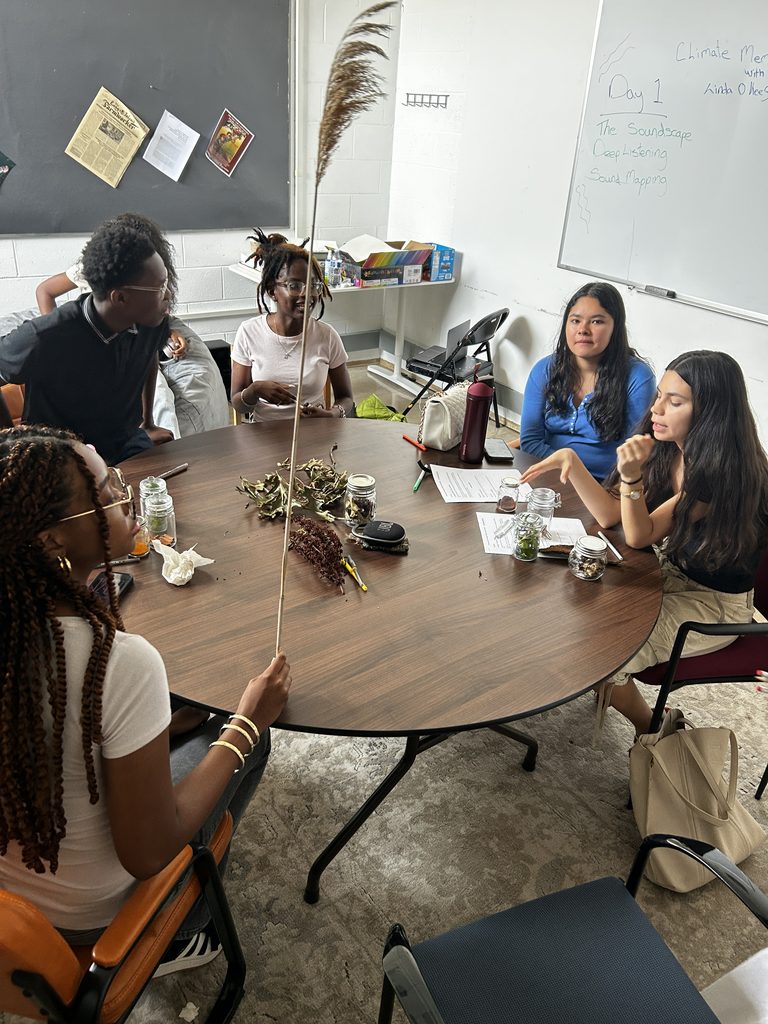
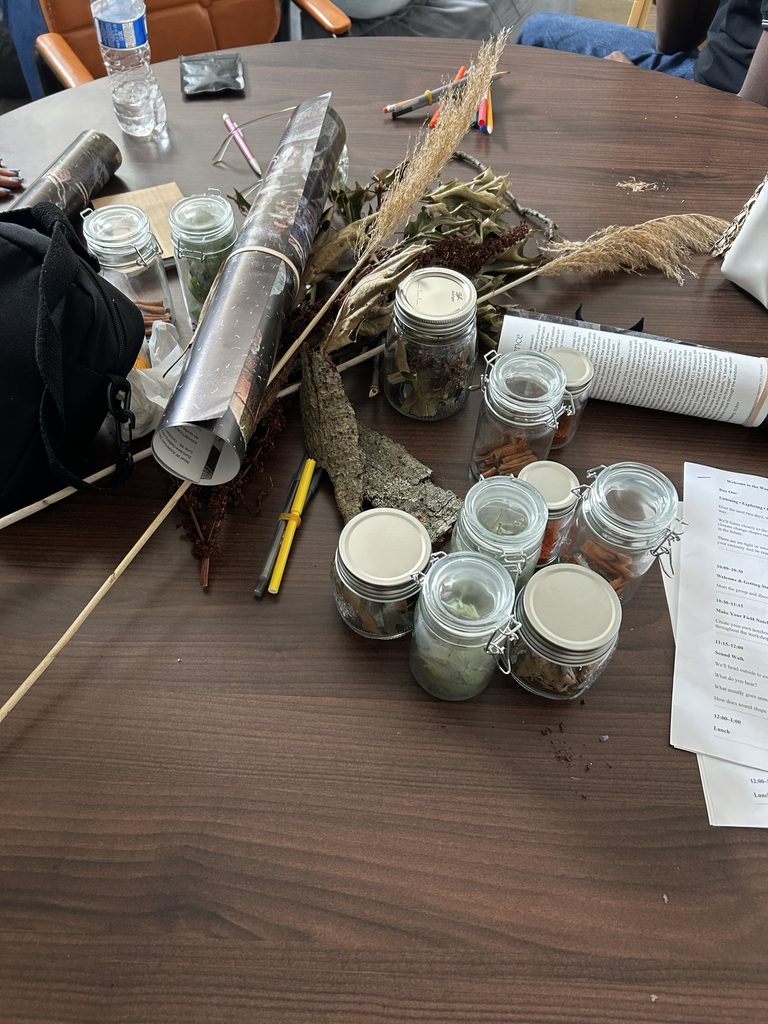
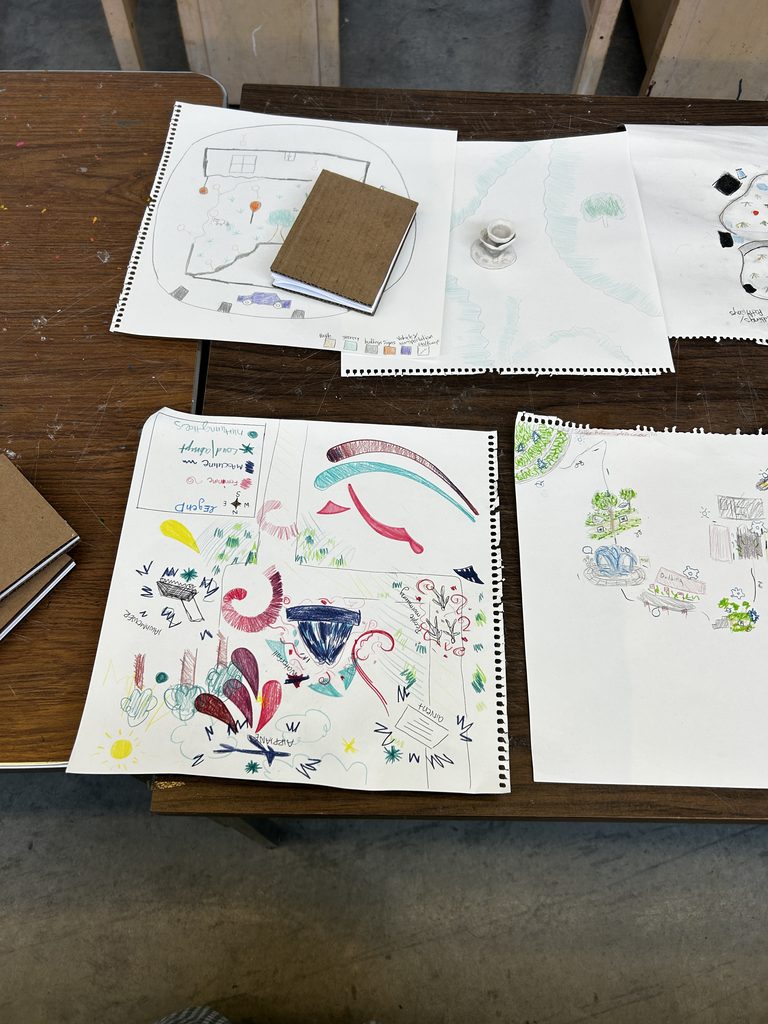
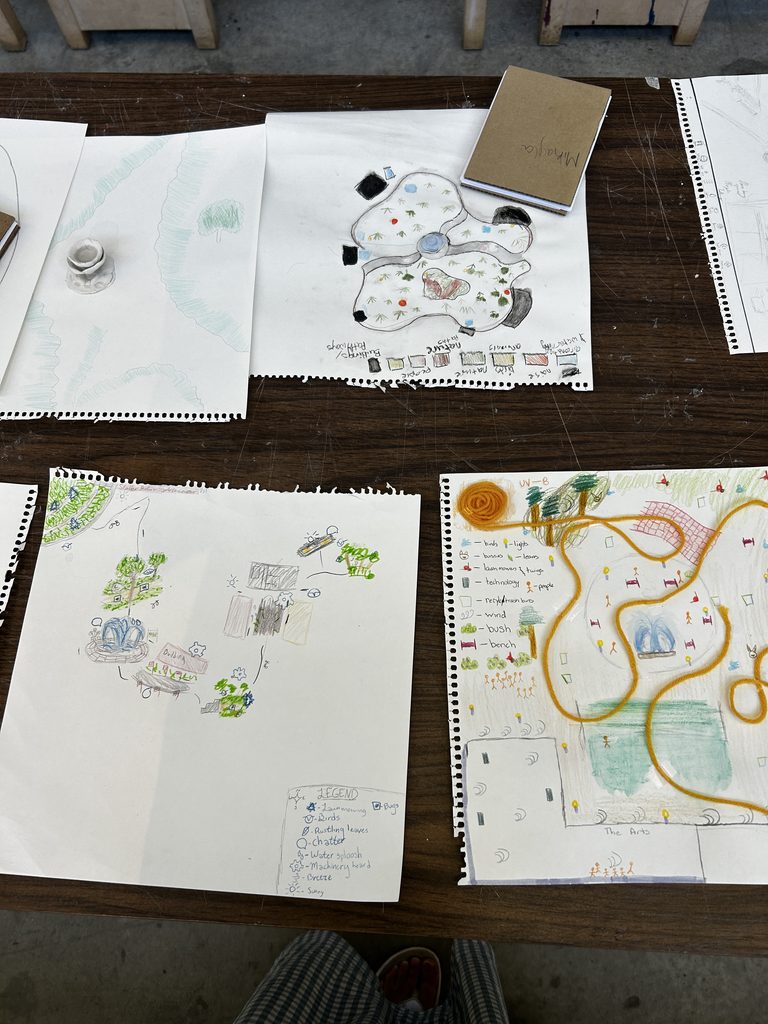
Day one focused on sensing, listening and memory. Participants undertook a sound walk and sound-mapping exercise and worked with sensory materials including spices and plant matter, alongside leaves, flowers, twigs and other materials gathered from the surrounding landscape. They wrote about the associations, sensations and memories these encounters produced. The cultural diversity within the group became particularly significant. Smells and sensory experiences prompted stories connected to parents and grandparents and to places including Nigeria, Cuba, Mexico, countries in Asia and across the Caribbean. These conversations demonstrated how environmental memory is inseparable from colonialism, migration, family, cultural heritage and place—and how differently environmental change can consequently be experienced and remembered. On the second day, attention shifted towards climate adaptation and possible futures. Participants walked the Stony Brook campus looking at the built and natural environment and researching ways it might be transformed in response to changing climatic conditions. They explored possibilities including renewable energy, cooling strategies, planting, food production and other forms of environmental adaptation. They then imagined themselves looking back from a future in which some of those transformations had happened. Rather than asking only what climate change might take away, the exercise invited them to consider what a successfully adapted future might feel like to remember. Their writings, conversations and recordings will contribute to future Climate Memories programmes on Wave Farm. The New York workshop also completed an important first cycle in the development of our workshop methodology. Ideas tested in Mexico travelled to New York, changed in response to participant feedback and encountered a new community. What we learned in New York will, in turn, shape what happens next.